


Thailand and Cambodia Agree to Ceasefire After Weeks of Border Clashes
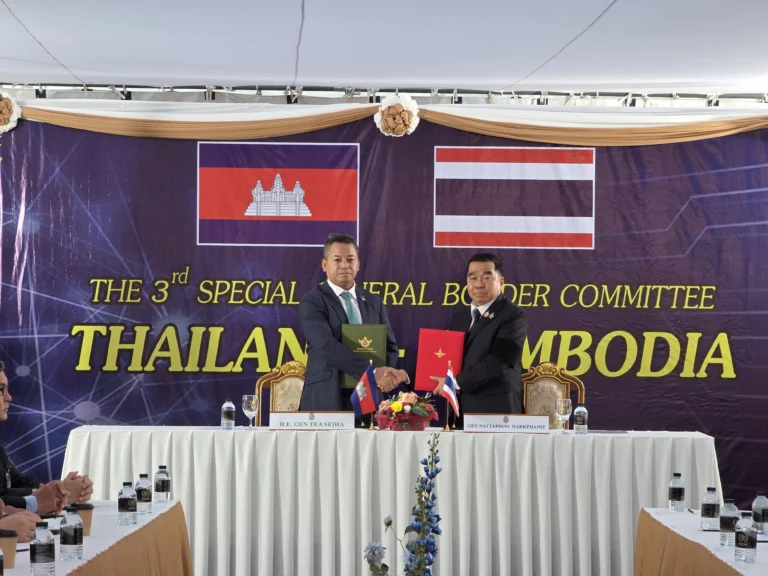
Cambodian Defense Minister Tea Seiha, left, accompanied by his Thai counterpart, Natthaphon Narkphanit, at the General Meeting of the Border Commission in Thailand. Photo: Cambodia Ministry of National Defense.
December 27, 2025 Hour: 2:46 am
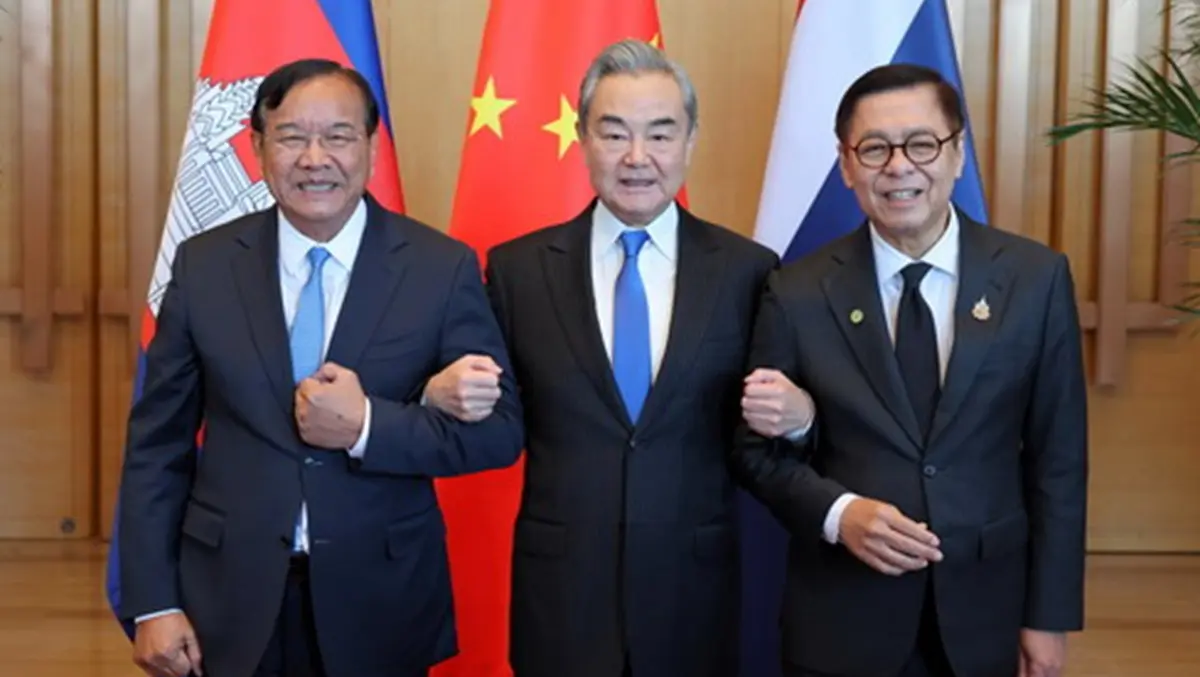
Thailand and Cambodia have declared a ceasefire after 20 days of deadly border clashes that killed over 100 people in an agreement that includes a prisoner exchange.
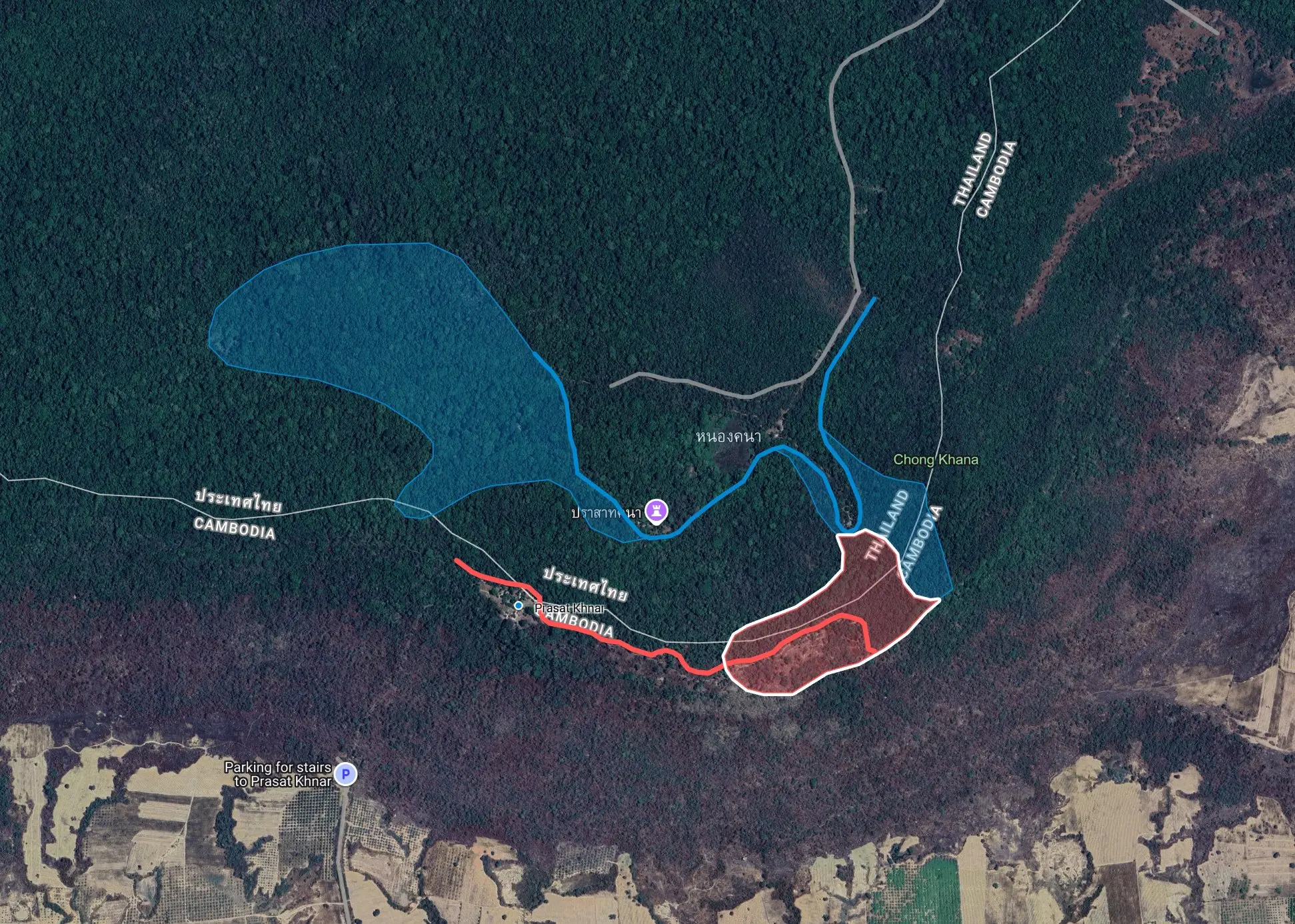
Thailand and Cambodia announced a ceasefire on Saturday December 27, after 20 days of intense artillery duels and clashes that killed more than 100 people and forced over 700,000 civilians displaced from their homes since that the conflict began on December 7.
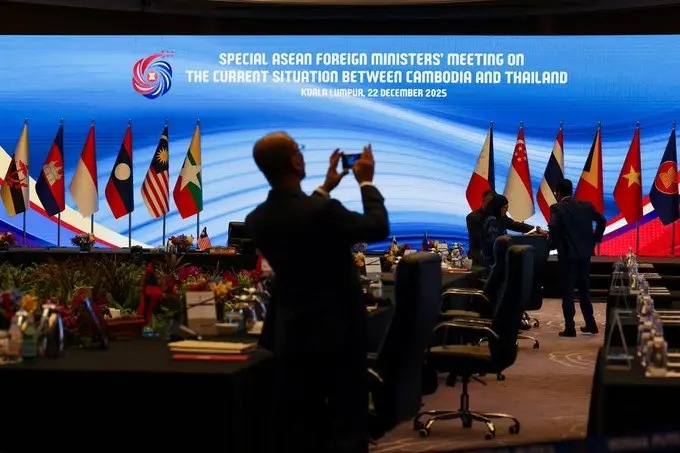
RELATED: ASEAN Holds Talks on Thailand–Cambodia Fighting
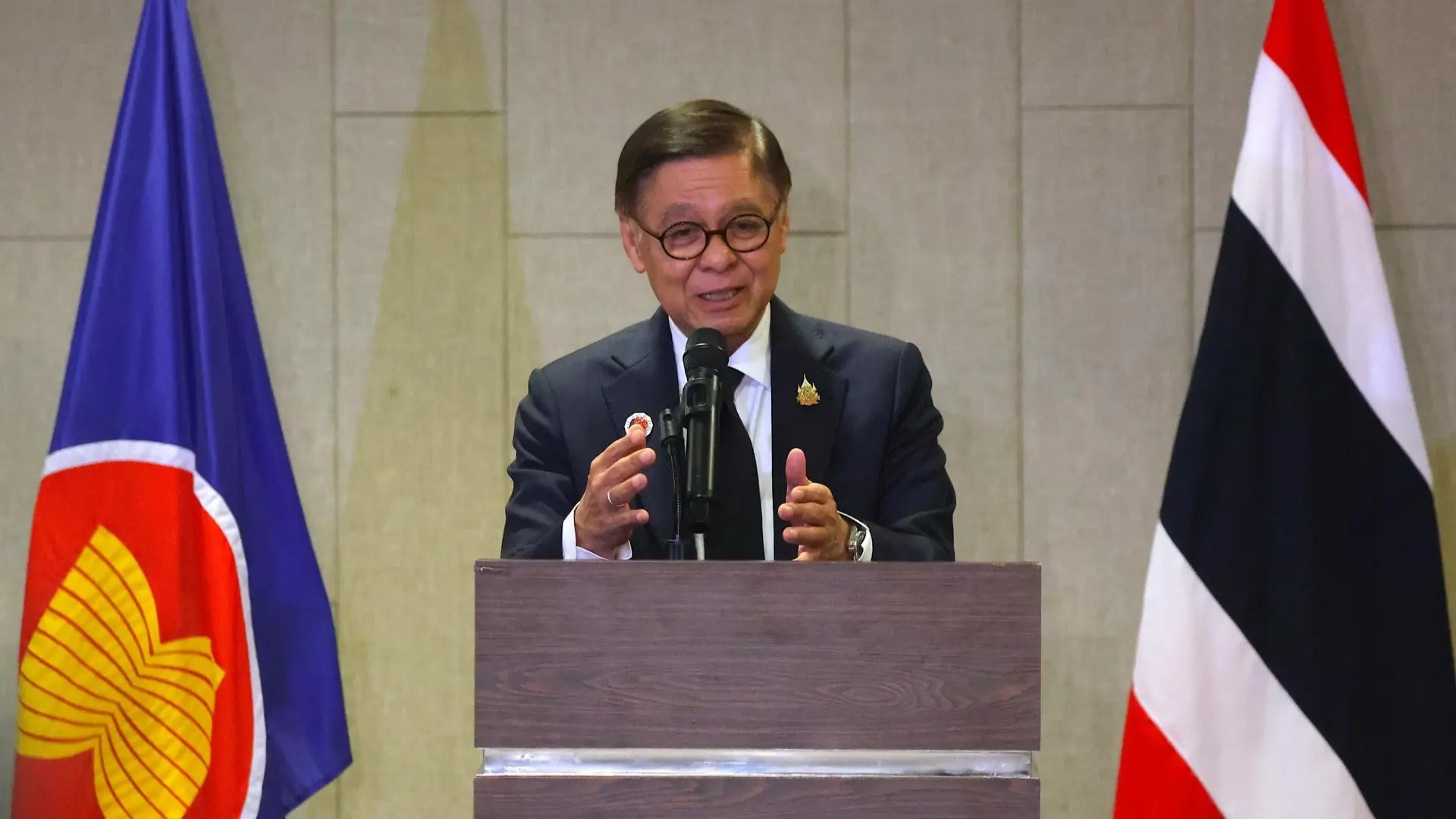
The agreement, signed by Thai Defense Minister Natthaphon Narkphanit and his Cambodian counterpart Tea Seiha, took effect at noon local time (05:00 GMT).
A joint statement committed both nations to an immediate halt to all hostilities involving “all types of weapons” and a freeze on current troop deployments.
However, reports from the ground underscored the deal’s fragility. A correspondent for the Qatari outlet Al Jazeera noted that “guns have fallen silent”, but described “really, really intense” firing that continued right up until the ceasefire moment.
“That doesn’t instil a great deal of confidence in people here who want to return home and will be watching if this ceasefire will hold,” he said.
The spokesperson for Thailand’s Defense Ministry confirmed that the 18 Cambodian soldiers detained in June -during five days of border clashes that left around fifty dead- “will be released when hostility ceases, in accordance with international norms and practices.”
Key Terms and Mechanisms
The deal includes several confidence-building measures:
- Prisoner Return: Thailand has agreed to repatriate 18 captured Cambodian soldiers 72 hours after the ceasefire is “fully maintained.”
- De-escalation Pledge: Both sides vowed to refrain from “provocative actions” and avoid “disseminating false information.”
- Third-Party Oversight: Implementation will be monitored by an observer team from the Association of Southeast Asian Nations (ASEAN).
- Open Channels: The countries agreed to maintain direct communication to resolve any emergent issues.
According to official accounts, at least 43 civilians and 24 military personnel had been killed in Thailand, while 31 civilians were reported dead in Cambodia, which does not report casualties in the military sector even though numerous reports speak of dozens of fallen soldiers.
In the agreement, Bangkok and Phnom Penh cite “the spirit” of Kuala Lumpur, referring to the peace agreement signed in October in Malaysia.
Author: Victor Miranda - LVM
Source: Al-Jazeera / EFE